Sponsored Content · Advertorial

Why a Simple Jar of Honey Is Quietly Becoming the Talk of the Kitchen Table After 50

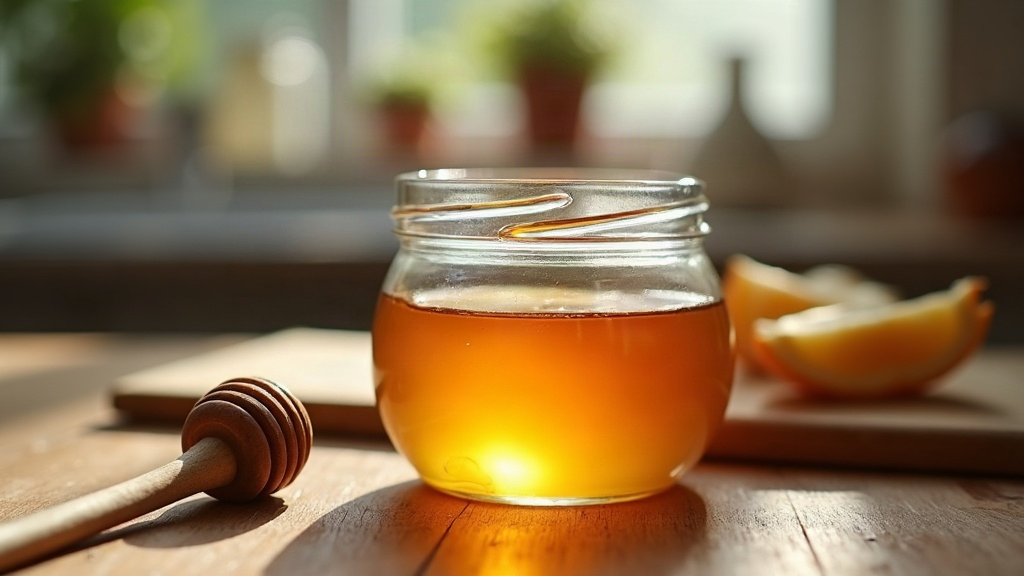
Picture the counter at 7am: a kettle ticking, a spoon dipped into golden honey, and a conversation about why so many people over 50 are suddenly paying closer attention to their daily routines and mental sharpness.

Honey & Cognitive Wellness  ·  Editorial Feature  ·  Educational Content  ·  Not Medical Advice

Why Memory Shifts After 50

It rarely happens all at once. It’s the misplaced keys, the name that hovers just out of reach, the sentence that trails off mid-thought. Understanding why this happens is the first step before any conversation about honey, routines, or daily habits even begins.

Slower Recall Speed

The brain still holds the information, but retrieving it on demand can take longer than it used to, especially under stress or fatigue.

Disrupted Sleep Cycles

Fragmented sleep patterns after 50 are common, and rest plays a well-documented role in how the brain consolidates daily experiences.

Changing Energy Curves

Afternoon fog and inconsistent energy levels can make focus feel like a moving target rather than a steady state.

Overlooked Daily Habits

Small, repeated choices in diet and routine accumulate over decades, often without anyone noticing the pattern until later in life.

Myths vs Facts About Aging & Memory

Kitchen-table wisdom and internet headlines don’t always agree with what’s actually documented. Here’s a side-by-side look at some of the most common claims floating around.

MYTH

Memory decline is entirely inevitable and identical for everyone.

FACT

Individual trajectories vary widely and are influenced by a broad mix of genetics, lifestyle, and daily habits.

MYTH

Only prescription solutions are worth discussing.

FACT

Many people also explore everyday dietary staples, including natural sweeteners like honey, as part of broader wellness conversations.

MYTH

If you haven’t noticed changes by 50, you never will.

FACT

Cognitive patterns can shift gradually across an entire lifetime, which is why ongoing attention to routine matters at any age.

A Simple Three-Part Approach

None of this is a treatment protocol. It’s a way of thinking about small, sustainable additions to an everyday routine — the same kind of thinking that has kept traditional pantry staples like honey in kitchens for generations.

01

Notice the Pattern

Before changing anything, pay attention to when your focus feels sharpest and when it fades — mornings, afternoons, after meals.

02

Introduce One Small Habit

Rather than overhauling an entire routine overnight, many people start with a single, modest addition, such as a spoonful of honey with breakfast.

03

Stay Consistent, Not Extreme

Small, repeated habits tend to be easier to sustain long-term than dramatic, short-lived changes to diet or routine.

Where This Idea Actually Comes From

Honey has been part of human diets for thousands of years, long before modern nutrition science existed. Ancient texts from Egypt, Greece, and China all reference honey as a staple food, valued for its natural composition and long shelf life. Modern researchers have since studied honey’s natural sugars, trace enzymes, and antioxidant compounds, though most of this research focuses on general wellness and metabolic markers rather than cognitive function specifically. The renewed interest today isn’t about a miracle discovery — it’s about revisiting a pantry staple through a more curious, modern lens.

The takeaway isn’t that honey is a solution to anything. It’s that simple, traditional foods sometimes deserve a second look as part of a broader, balanced routine — not as a replacement for medical guidance.

Signs Worth Paying Attention To

Repeating Questions Frequently

Asking the same question multiple times within a short conversation, more than what feels typical for you.

Losing Track of Familiar Routes

Feeling briefly disoriented on a walk or drive you've taken hundreds of times before.

Struggling With Common Words

Reaching for an everyday word and finding it consistently just out of grasp.

Misplacing Items in Unusual Places

Finding keys in the refrigerator or glasses in the pantry more often than seems normal.

Withdrawing From Social Plans

Avoiding gatherings or conversations because keeping up feels more taxing than it used to.

Difficulty Following Multi-Step Tasks

Losing your place partway through a recipe or a familiar task that used to feel automatic.

What People Are Saying

I started paying more attention to my mornings, honey and all, and it's become a small ritual I actually look forward to.

Margaret H.
Illustrative account
It wasn't a dramatic change, just a small addition to breakfast that made the whole routine feel more intentional.
Walter D.
Illustrative account
I appreciated learning the history behind it. It made trying something new feel less like a gimmick and more like tradition.
Sylvia R.
Illustrative account

These are individual experiences and opinions. They are not a guarantee of any outcome, and results vary significantly from person to person.

Frequently Asked Questions

No. This content is educational and explores honey as a traditional dietary staple within a broader wellness conversation, not as a treatment for any condition.

No. The approach discussed here focuses on small, sustainable additions rather than dramatic overhauls of an existing routine.

Anyone managing blood sugar levels or any medical condition should speak with a healthcare professional before changing their diet.

Many lifestyle conversations around cognitive wellness naturally arise around this age, though the general information here isn’t age-restricted.

No. Nothing in this content should replace guidance from a qualified healthcare professional.

Honey has a distinct composition compared to refined sugar, though it should still be consumed in moderation as part of a balanced diet.

The video linked on this page walks through the full background and context in more detail.

Curious How Honey Fits Into The Bigger Picture?

Watch the full video to see the complete story behind this everyday pantry staple and why it’s part of a growing conversation among people over 50.

Advertising Disclosure: This page contains sponsored content and affiliate links. We may receive compensation if you click a link or make a purchase through the links provided on this page. This helps support the content we create.

Content Disclaimer: This content is for educational and informational purposes only. It has not been evaluated by the FDA. It is not intended to diagnose, treat, cure, or prevent any disease or medical condition. Always consult a qualified healthcare professional before making changes to your diet, supplement routine, or health regimen.

Results Disclaimer: Individual results vary from person to person. Testimonials and personal experiences shared on this page are not a guarantee of any specific outcome or result.

© 2026 · All Rights Reserved · /contact/